

Best Practices for Video Accessibility
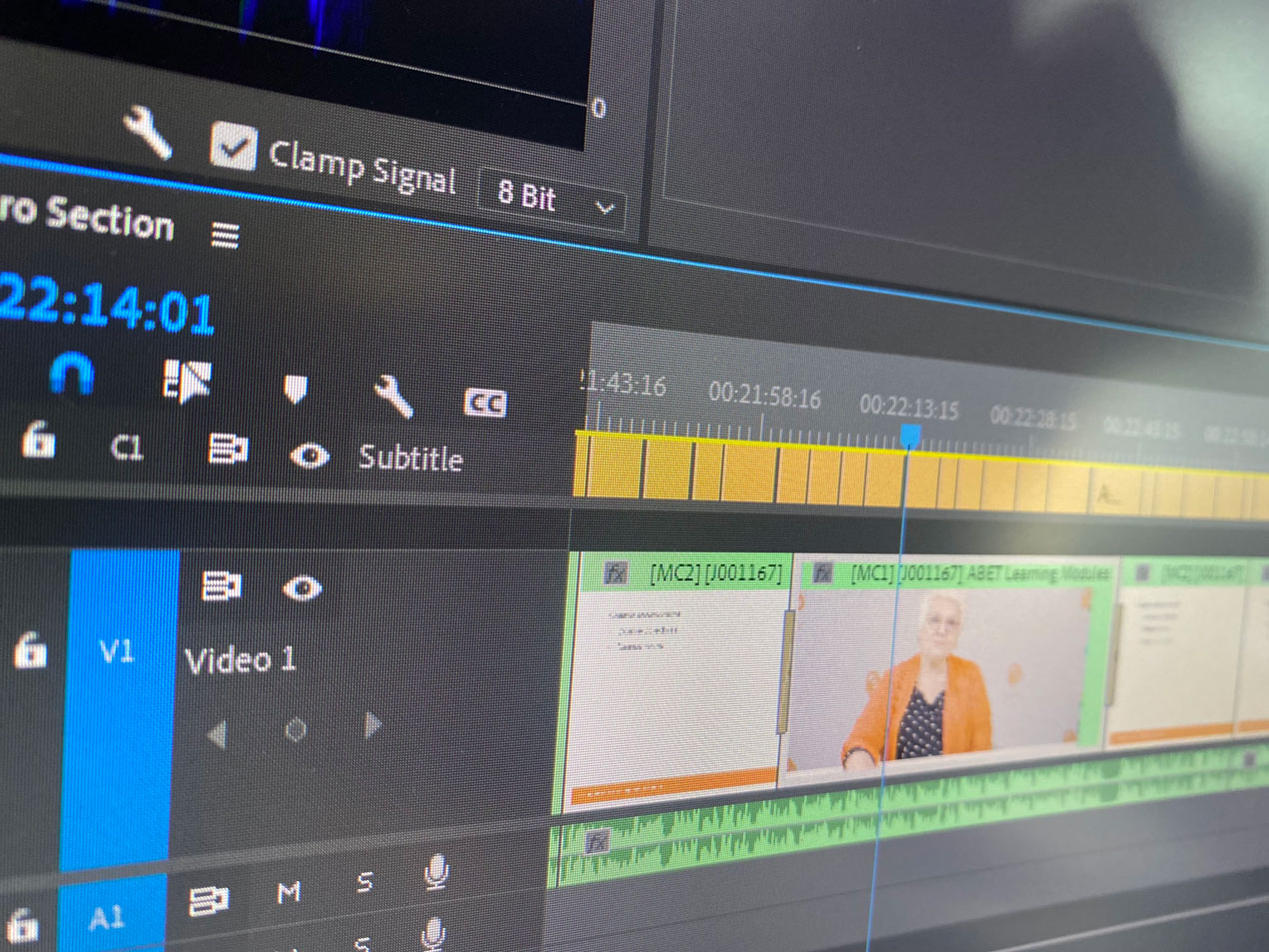
Captioning for Inclusivity
Captioning is a fundamental element of video accessibility. It not only benefits individuals with hearing impairments but also aids comprehension for viewers in noisy environments or those who speak languages different from the video's audio. Include accurate captions that synchronize with the spoken words, ensuring a seamless viewing experience for all.
Transcripts for Comprehensive Understanding
Providing transcripts alongside your videos adds an extra layer of accessibility. Transcripts are text versions of the spoken content, allowing users to read and understand the information independently. This is especially helpful for individuals who may have difficulty following the video format or prefer to skim through content quickly.
Audio Descriptions for Visual Context
Consider adding audio descriptions to your videos, describing visual elements, actions, and scenes. This benefits individuals with visual impairments, providing them with a detailed understanding of the video's visual context. Ensure that these descriptions are concise, relevant, and integrated seamlessly into the video experience.
Consider Color and Contrast
Pay attention to color choices and contrast ratios in your videos. Ensure that text is legible against the background and that important information is not conveyed solely through color. This benefits individuals with visual impairments or color blindness, making your content more inclusive.
Test Across Assistive Technologies
Regularly test your videos using a variety of assistive technologies such as screen readers, voice recognition software, and magnification tools. By doing so, you can identify and address any potential accessibility issues, ensuring a seamless experience for users with diverse needs.
Educate Your Team
Foster a culture of accessibility within your team. Provide training on creating accessible content, and emphasize the importance of considering diverse user experiences. When everyone on your team is aware of accessibility best practices, it becomes easier to implement them consistently.
Promote Accessibility in Marketing Campaigns
Highlight your commitment to accessibility in your marketing campaigns. This not only showcases your brand as socially responsible but also resonates positively with a broader audience. Make accessibility a part of your brand identity and communicate it clearly to your customers.
Stay Informed About Accessibility Standards
Keep abreast of evolving accessibility standards and guidelines. The digital landscape is dynamic, and staying informed about the latest developments ensures that your videos remain compliant with industry best practices and legal requirements.